





Call For A Free Consultation (848) 201-3667
Call For A Free Consultation (848) 201-3667
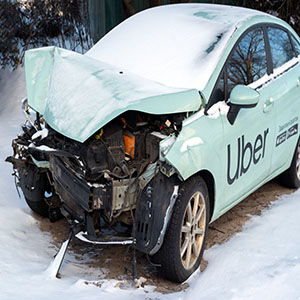
Rideshare accidents can raise unique legal and insurance questions that don’t come up in typical car accidents. In this article, we’ll unpack…
With rideshare cases, things can get a bit more complicated, but usually, the liability limits are much higher because these are essentially commercial policies. The driver typically has their own personal auto policy, and then there is a separate policy through the rideshare company. Which policy applies and how much coverage is available often depends on what the driver was doing at the time of the crash. For example:
If you’re a passenger in a rideshare vehicle, you’re generally in a strong position. Even if your driver was not at fault, and the other driver has minimal coverage, you may still be able to make an underinsured motorist claim through the rideshare company, such as Uber or Lyft. In that situation, their policy can help cover your medical expenses, especially if you don’t have your own household coverage.
The status of the app is a key factor. If the app is on and the driver is available to pick up passengers, they are generally covered under the rideshare company’s insurance policy. The same applies (even more clearly) if they already have a passenger in the vehicle.
If the driver is offline, however, then the situation changes. In that case, it typically falls back on the driver’s personal auto insurance policy.
A considerable challenge associated with these cases is determining whether the driver was online or offline at the exact time of the crash.

Edward Blinder of Law Firm of Edward Blinder, PLLC has significant experience handling rideshare accident cases throughout New Jersey, including in Middlesex County. He understands the unique challenges these cases present, from layered insurance policies to determining driver status at the time of a crash. With a deep track record of representing clients injured in Uber and Lyft accidents, Edward Blinder knows how to identify all available coverage and maximize compensation. His experience allows him to move quickly and secure critical evidence.
If you’ve been involved in a rideshare accident, contact Law Firm of Edward Blinder, PLLC today to discuss your case and protect your claim.
If a rideshare vehicle hits you while you’re driving, you would generally proceed the same way you would in any other accident: by making a claim against the at-fault driver. At the same time, you may also have a claim against the rideshare company, depending on the driver’s status at the time of the accident.
If the driver had the app open and was available for rides, then the rideshare company’s insurance policy may apply. That can be significant, because it often means access to a much larger commercial policy. If not, then the claim proceeds more like a typical accident case, relying on the driver’s personal insurance.
Insurance companies will closely examine the timeline of the accident, often down to the minute. Because these cases involve technology, there is usually a significant amount of data available. Investigators may review:
If the investigation shows that the driver was actively engaged in rideshare activity at the time of the crash, then the rideshare company’s insurance coverage will typically apply along with its higher policy limits.
Why Is Hiring An Experienced Rideshare Accident Attorney Critical To Protecting My Compensation Rights?
Rideshare cases often involve multiple layers of insurance, sometimes two or even three different policies. Because of that, these cases can move quickly, and it’s important to protect your rights early. An experienced attorney can:
That includes far more than just medical costs and lost income, accounting for the broader impact on your daily life.
Documenting injuries properly is also vital. It’s not as simple as it might seem. One of the key challenges in any personal injury case is establishing causation, that is, clearly linking the accident to the injuries. That’s where experienced representation adds real value: making sure the injuries are properly documented and supported so you can pursue full and fair compensation.
For more information on Uber accident lawyers in Middlesex County, NJ, an initial consultation is your next best step. Get the information and legal answers you are seeking by calling (848) 201-3667 today.
Edward Blinder of Law Firm of Edward Blinder, PLLC has significant experience handling rideshare accident cases throughout New Jersey, including in Middlesex County. He understands the unique challenges these cases present, from layered insurance policies to determining driver status at the time of a crash. With a deep track record of representing clients injured in Uber and Lyft accidents, Edward Blinder knows how to identify all available coverage and maximize compensation. His experience allows him to move quickly and secure critical evidence.
If you’ve been involved in a rideshare accident, contact Law Firm of Edward Blinder, PLLC today to discuss your case and protect your claim.


